
AI Pose Changer vs PoseUp
Already have a photo and a pose in mind? Compare our focused editing workspace with PoseUp’s pose-discovery approach, then choose where you want to start.
Choose the workflow that fits
Choose AI Pose Changer for…
Preparing a specific photo edit with text, your own reference, or a built-in pose. Our source image, optional guide, instructions, and preview stay together, so you can work from an existing idea without a separate discovery step.
Consider PoseUp for…
Exploring pose ideas by mood or occasion before you edit. PoseUp’s public site emphasizes discovering references and understanding a pose. That approach may suit you when choosing the body language is still part of the task.
This comparison is published by AI Pose Changer. It covers our current interface and the reviewed product documentation, not a controlled output-quality test. Real-account generation and payment have not been verified in this review.
The differences at a glance
Compare the same task and input requirements before choosing an editor.
| What matters | AI Pose Changer | PoseUp |
|---|---|---|
| Starting point | Your photo and the change you want | Pose discovery and photo editing |
| Text instructions | Describe the pose; no reference required | Presets and text prompts documented |
| Visual direction | Upload your own guide or select from 20 references | Curated pose library and presets |
| Output format | Original ratio · 2K · Medium (fixed) | Check available settings in the current editor |
| Budget basis | 5 credits per image at 2K / Medium | Credits and offers use a different billing scale |
| Review evidence | Current editor and confirmed product requirements | PoseUp official tool |
Start with the decision you actually need to make
The useful question in AI Pose Changer vs PoseUp is where you are in the creative process. Some people arrive with a photograph and a precise adjustment: lower an arm, turn slightly toward the camera, or try a relaxed standing position. Others know only that the image feels stiff. Those are different starting points, even though both eventually involve a pose change.
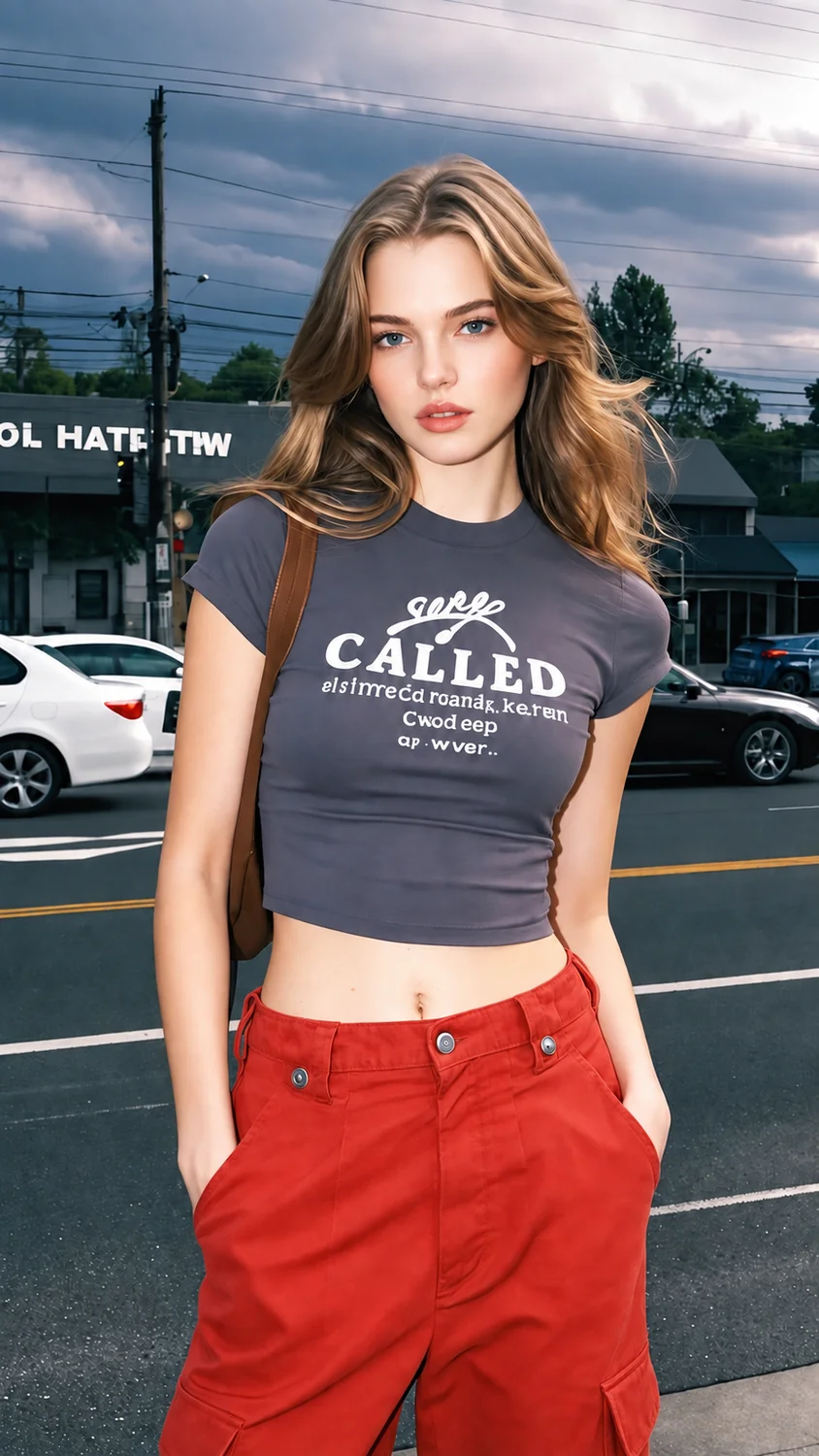
Our editor is organized around the first situation. The source photo stays visible while you choose a direction, add instructions, and review your pose instructions. That arrangement can be useful when the outfit, location, and framing already work and you want to concentrate on body language. It is a workflow preference, not evidence that one service produces better anatomy or more accurate faces.
If you are looking for a PoseUp alternative because you already know the gesture you want, evaluate how quickly you can express that gesture and understand the inputs. If your real problem is finding a convincing pose, spend time on inspiration before you spend credits. An editor cannot resolve an undecided brief simply by offering more buttons.
Three ways to express one pose
Describe it
AI Pose Changer lets you describe a movement, upload a separate reference photo, or select an image from its built-in pose library. The reference is optional. For a straightforward change, start with a sentence. For a position that is hard to explain, use a visual guide. Keeping those paths in the same workspace lets you choose the amount of preparation the photo needs.
Find it in the library
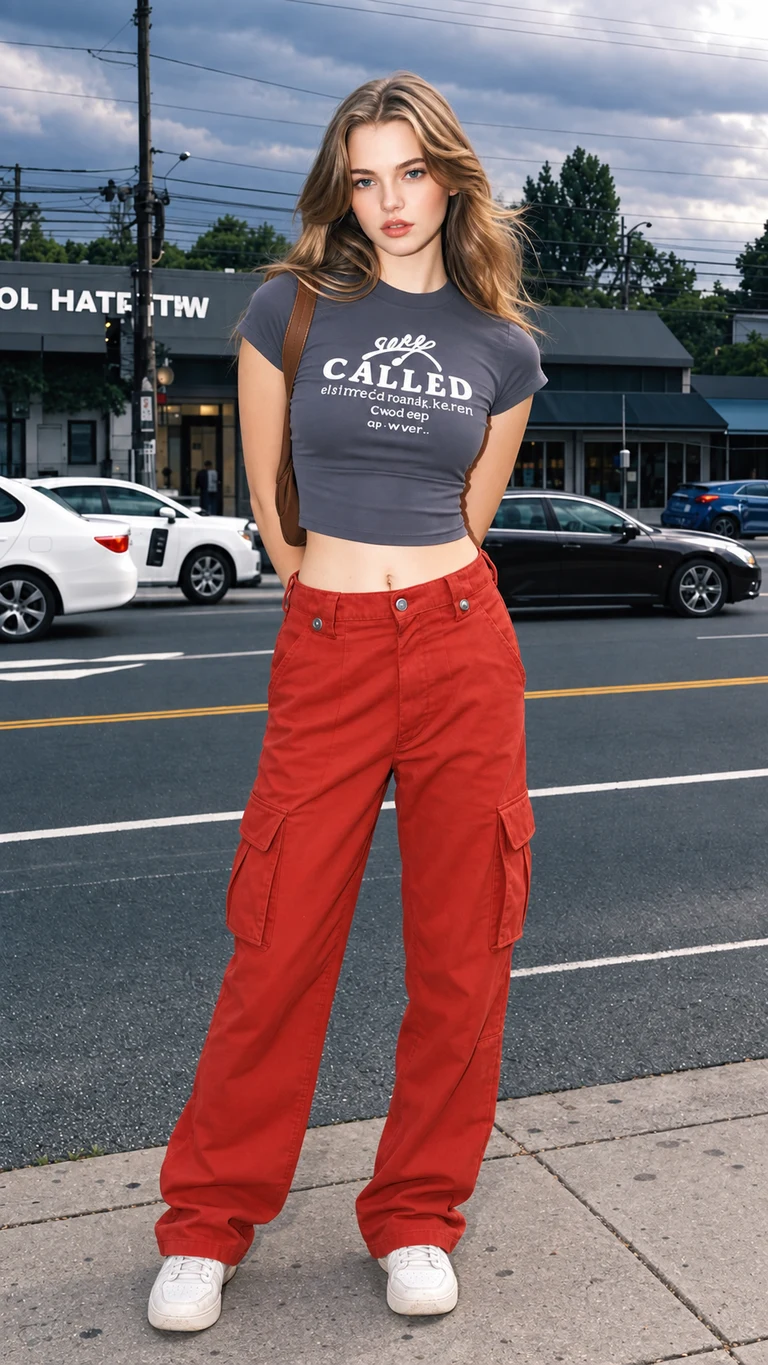
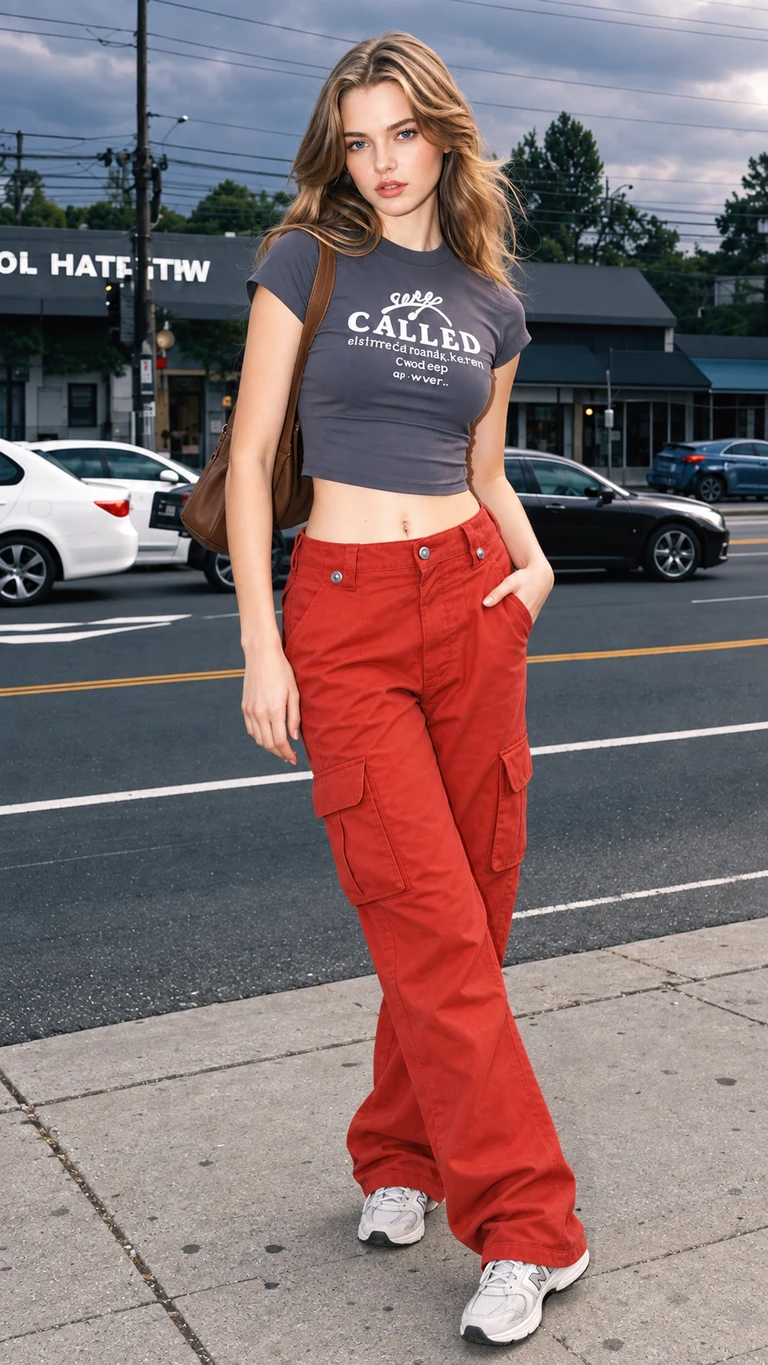
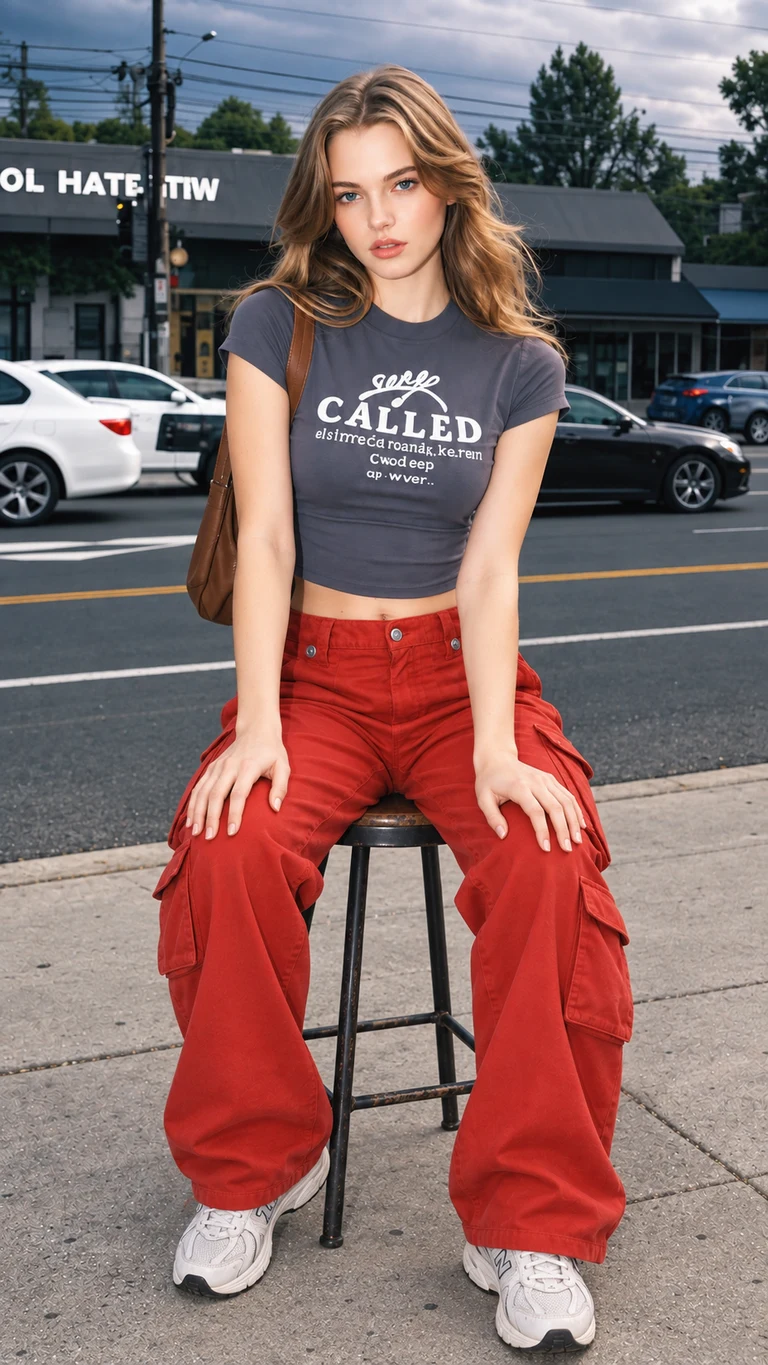
The 20 built-in references include standing, seated, walking, and arm-placement ideas. Search by a recognizable gesture rather than inventing a long description from scratch. Selecting a reference puts it into the current edit; it does not replace the source photograph. These library images are guides to body position, not examples proving the quality of a generated result.
Bring your own guide
An uploaded reference is helpful when the desired stance comes from your own creative brief. For example, a product shoot may call for one hand near a bag strap while the body turns slightly. Give the reference a narrow job: communicate the posture. Use the instructions to say which details belong to the source photo, especially if the reference has different clothing or a very different setting.
When pose discovery comes first
PoseUp’s homepage organizes its discovery experience around mood, category, and occasion. Its pose-changing tool describes editing a clear photo with a preset or written instruction. Both services therefore offer more than a single fixed pose. We do not treat text input or the existence of a pose library as an exclusive feature of our product.
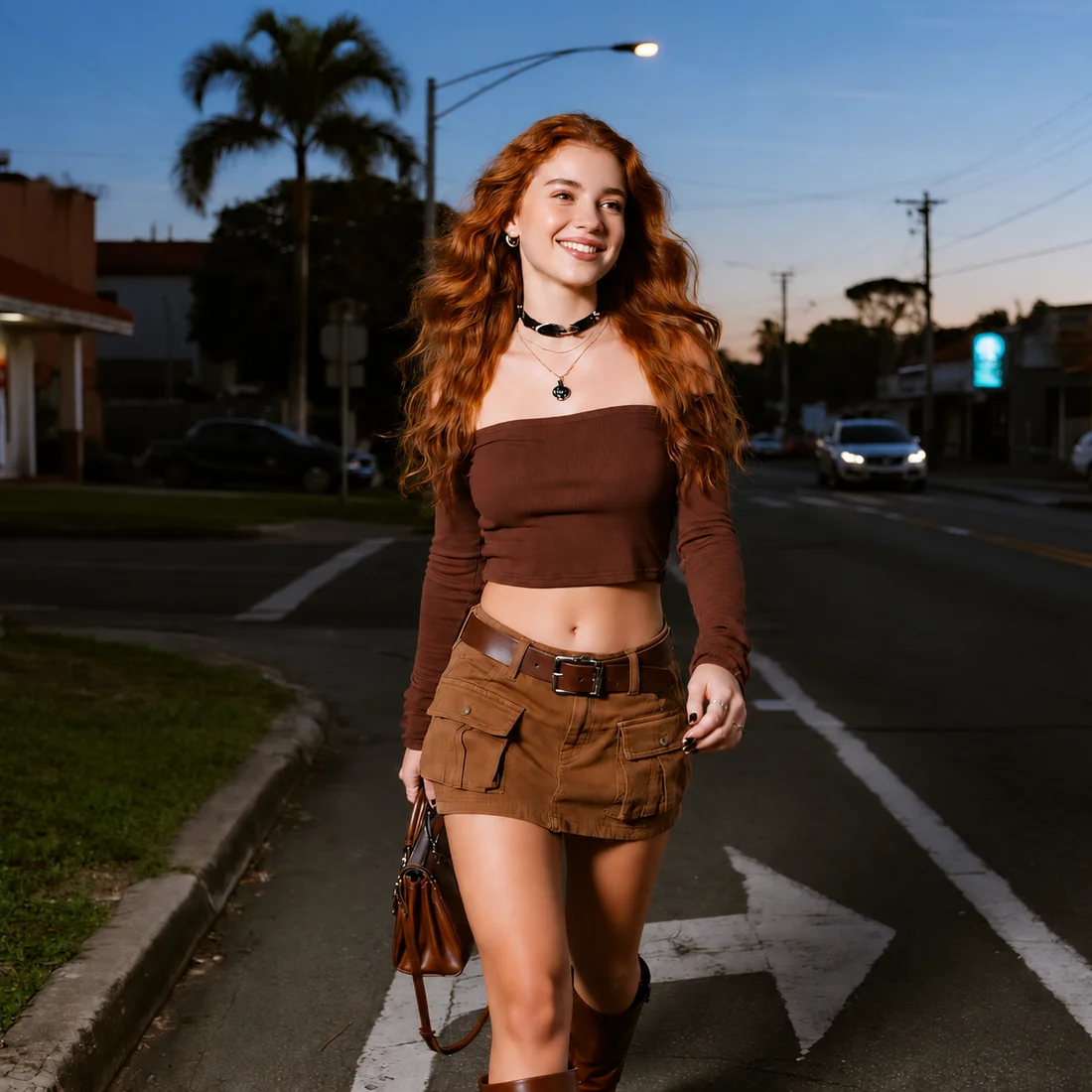
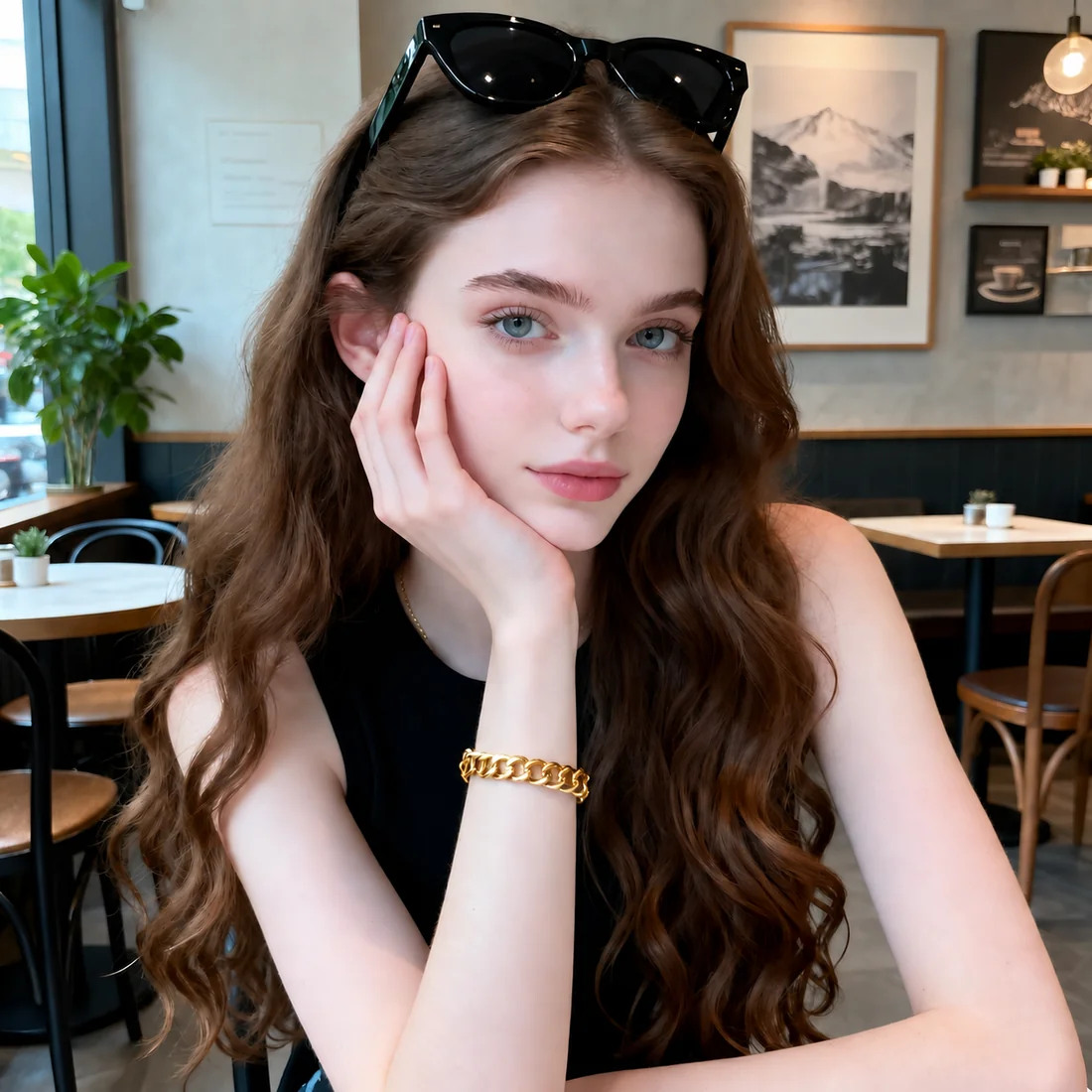
Separate the question of what looks appealing from the question of what your source can support. A full-body reference may have a strong silhouette, but a tightly cropped portrait provides no view of the legs. Before choosing it, decide whether you actually need a new full-body composition or only the upper-body gesture. That decision makes your instructions easier to inspect later.
A practical approach is to shortlist two or three directions, then choose one for the first edit. Compare the body angle, hand placement, and crop rather than collecting dozens of attractive images. Once you have a specific direction, return to the editing workspace with a single clear objective. Our focused layout is designed for that transition from an idea to prepared inputs.
Turn a pose idea into a useful instruction
Imagine a casual portrait where the person is facing the camera with both arms hanging straight down. You like the face and clothes, but want the image to feel less formal. A useful brief identifies the visible movement: shift the weight slightly, relax the shoulders, and place one hand in a pocket. It also states that the clothing and setting should remain the visual reference.
Turn the body slightly to the left, relax the shoulders, and place one hand in a pocket. Keep the person, outfit, and setting from my photo. Keep the framing close to the original.
Avoid combining a pose change with a new face, new outfit, new location, and a new lighting style in the first attempt. You would have several possible reasons for any unwanted difference, making the next instruction harder to choose. Instead, use a narrow first edit and inspect it. This is a suggested evaluation method for either service, not a claim that larger edits are impossible.
In our editor, you can type the instruction directly or start with a library reference and refine the request. The usage guide explains the input roles and the actual controls. Keep a copy of your intended movement alongside the result so you can assess whether the edit followed the request rather than judging only whether the new picture looks attractive.
Keep the original framing in mind
Our editor automatically keeps the original image ratio and uses 2K resolution with Medium quality. Each generation costs five credits. There are no output menus to configure, so you can concentrate on the source photo, the requested movement, and any reference you want to use. This consistent format simplifies preparation; it does not establish better anatomy or identity preservation than another service.
For an initial comparison, retain the original crop whenever it serves the intended use. Changing both the pose and the frame can make it difficult to tell which request caused a background or composition difference. If your final destination needs a square image, decide whether the whole person must fit or whether a tighter portrait is acceptable before preparing your source photo.
The workspace also saves the current draft in the same browser. If you prepare a photo before signing in, the photo and instructions can be restored after authentication. This is useful continuity for a short editing session. It is not a promise of cross-device storage, indefinite retention, or a completed output. Check the preview after returning before you submit a generation request.
Read credit prices in context
5 credits per image
- Starter · 200 credits
- 40 images
- Creator · 650 credits
- 130 images
- Studio · 2,500 credits
- 500 images
At our confirmed 2K / Medium setting, one image uses 5 credits. Starter provides 200 credits for $9.90, Creator provides 650 for $29.90, and Studio provides 2,500 for $99.90. Dividing the included credits by five gives a theoretical allowance of 40, 130, or 500 images at that specific setting. These packs are one-time purchases in the current pricing configuration.
The corresponding pack cost per image is $0.2475, $0.23, or $0.1998 before any additional attempts you choose to make. Those figures describe the allowance, not the cost of a guaranteed final photo. The pricing page explains the assumptions. Every edit uses the original image ratio, 2K resolution, and Medium quality. No output settings need to be selected before generating.
PoseUp’s pricing page should be checked for its current offers and generation allowances. Compare like-for-like output settings and purchase terms rather than raw credit totals. A credit is an internal unit set by each service. Having fewer credits does not necessarily mean fewer images, and a larger pack is useful only if the included work matches your needs.
Use a small, fair evaluation
Choose a representative photo
Choose a photo that represents your real task rather than the easiest possible demonstration. For a profile update, use the kind of crop you intend to publish. For a fashion image, include the garment details you care about. Write one pose instruction and decide in advance which differences are acceptable. This gives you a clear basis for deciding whether another attempt is worthwhile.
Inspect the important details
Review the result at the size where it will be used, then inspect important details more closely. Check whether the face remains recognizable, whether the requested gesture is present, and whether clothing details or nearby objects have changed unexpectedly. For a hand near a pocket, inspect the relationship between fingers, fabric, and the opening. A pleasant overall impression should not replace those checks.
Separate claims from evidence
We have not run that controlled comparison between these services. The generation integration is present in our current build, but this editorial review did not upload personal photos, spend credits, or validate a real-account output. Choose our editor for its focused preparation workflow if that fits your task; use your own small evaluation to decide whether its results satisfy your actual requirements.
AI Pose Changer vs PoseUp: FAQ
Is AI Pose Changer a good PoseUp alternative?
It is worth considering when you want to prepare a specific photo edit using text, your own reference, or the built-in library in one workspace. If discovering a pose is your main task, evaluate the inspiration experience as well. Neither workflow choice proves a quality advantage.
Can I change a pose without finding a reference image?
Yes. Our reference input is optional, so you can describe the movement in words. Keep the instruction specific about the visible body position. A reference becomes helpful when the intended arrangement is difficult to communicate with a short description.
Does either tool guarantee an unchanged face?
This review does not establish a guarantee for either tool. Preserving the source person is our product goal, but actual results need inspection. Use the same source and a clearly defined request if you want to compare identity consistency yourself.
Should I buy the largest pack first?
Choose a budget that fits a small evaluation before committing to a larger allowance. A lower theoretical cost per image is useful only if you expect to use the credits and the results meet your needs. Read the current purchase and refund terms before paying.
Sources and review scope
Official sources were reviewed on September 16, 2026. Our feature descriptions reflect the current editor; claims about generated quality need separate testing. Prices and availability may change. This is our editorial comparison, not an endorsement by PoseUp.
- PoseUp: product and pose discovery
- PoseUp: official pose-changing tool
- PoseUp: current pricing
See how our editor works and our pricing details before deciding.